

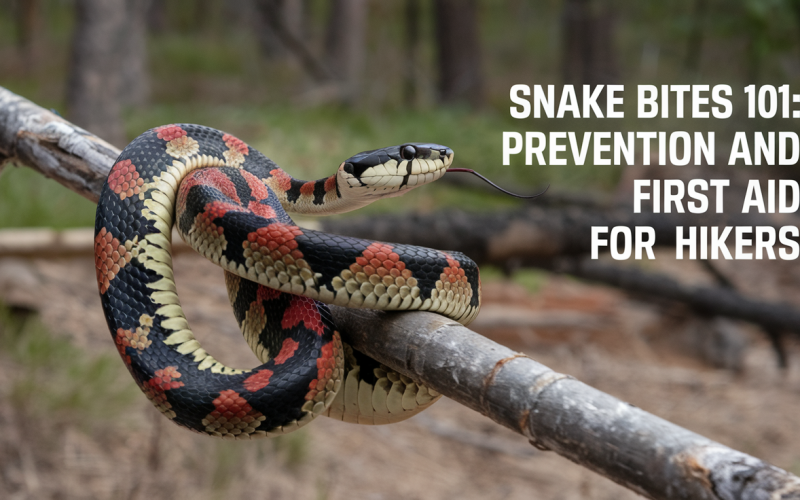
Hiking is a fantastic way to connect with nature and soak in its beauty. But as you explore the outdoors, it’s important to be aware of potential dangers, like encountering snakes. Each year, around 7,000 to 8,000 people in the United States experience snake bites, which highlights the need for preparation and awareness.
Whether you’re an experienced hiker or new to the trails, knowing how to prevent bites and respond quickly if bitten can make all the difference. Let’s explore practical tips and helpful advice to keep you safe while enjoying your adventure.
Understanding Snake Behavior
Snakes play an important role in maintaining the balance of their ecosystems. Their actions vary depending on their species, environment, and the time of year. By learning about these behaviors, you can better avoid unwanted encounters and appreciate their place in nature.
Common Snakes on Trails
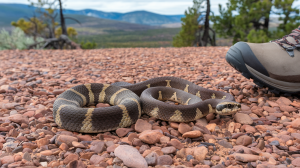 Hikers often come across snakes like rattlesnakes, copperheads, and cottonmouths. During cooler months, these snakes can be seen basking in the sun, but they tend to be more active at night when it’s warmer.
Their activity peaks from April to October, so staying alert during these months is especially important. Snakes rarely attack unless provoked, and understanding how they behave can help you steer clear of risky situations.
Recognizing Snake Habits
Snakes follow certain patterns that can help you identify and avoid them. Some snakes are active during the day, while others move more at night in hotter weather. They are often drawn to food sources, which means campsites and picnic spots can attract them.
While most snakes avoid people, they may become defensive if they feel threatened. Always give them space and avoid sudden movements.
Identifying Snake Venom and Taking Action
Not all snake bites involve venom; about 40–60% are “dry bites.” However, when venom is injected, the effects can be serious. Symptoms might include swelling, redness, severe pain, nausea, dizziness, or difficulty breathing. Acting quickly in these situations can make a big difference.
Preparing for the Hike: Dressing and Packing Smart
Choosing the right clothing and gear helps protect you against snake bites and other potential risks on the trail.
Protective Hiking Clothing
When hiking in areas with snakes, wear sturdy shoes and consider using gaiters to protect your legs. Gaiters are made from tough materials that act as a shield against bites and sharp objects. Also, avoid wearing sunglasses that might block your view of the ground where snakes could be hiding.
Must-Have Safety Items
Carrying the right equipment can make your hike safer. Keep your ears open by avoiding headphones or using just one earbud so you can hear potential dangers, like the rattling of a snake. A first aid kit is a valuable tool, and for pet owners, check with a vet about using Benadryl for snake bites in dogs.
Reducing the Chances of Snake Encounters
Snake activity increases in the spring when they emerge from hibernation. Taking precautions can lower your risk of crossing paths with them.
- Stick to Trails: Stay on marked trails instead of venturing into tall grass, rock piles, or other areas where snakes may hide. These spots are often used by snakes to rest or hunt.
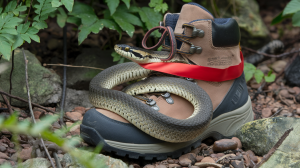 Make Noise While Walking: Talking, clapping, or whistling as you hike can warn snakes of your presence, giving them a chance to retreat. This is especially helpful during their active hours in the morning and evening.
- Be Mindful Near Water: Snakes are commonly found near water, particularly during cooler times of the day. If you see one, don’t panic. Move calmly and give it plenty of space.
How to Respond When You See a Snake
Meeting a snake on the trail doesn’t have to be alarming. Most snakes prefer to avoid contact with people, and staying calm can prevent a dangerous situation.
- Stay Still and Observe: If you come across a snake, resist the urge to panic. Quick movements might make the snake feel threatened. Instead, remain calm and assess the situation.
- Move Away Slowly: Back away from the snake without sudden movements. Keeping a safe distance allows both you and the snake to avoid harm.
- Don’t Interfere: Never try to move or provoke a snake. Attempting to handle it increases the risk of a bite. If you’re bitten, remain calm, minimize movement, and seek medical attention immediately.
What to Do After a Snake Bite
If a snake bite occurs, acting promptly can prevent serious complications. Following these steps can help until medical assistance arrives:
- Call for Help: Contact emergency services as soon as possible. If you don’t have cell service, send someone to find help.
- Limit Movement: Encourage the person who was bitten to stay still. Moving too much can spread venom more quickly.
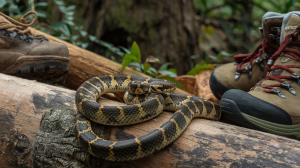 Remove Tight Items: Remove any tight clothing or jewelry near the bite site to prevent circulation problems as swelling develops.
- Elevate the Limb: If the bite is on an arm or leg, keep it raised above the heart to reduce swelling.
- Take Photos: If safe to do so, photograph the snake from a distance and the bite area. This information can assist medical professionals in providing the right treatment.
Stay Safe and Prepared
Hiking is a wonderful way to enjoy the beauty of the outdoors, but preparation is key to staying safe. By understanding snake behavior, wearing appropriate gear, and knowing how to handle encounters or bites, you can reduce risks and focus on the joy of the trail.
For more practical tips and guides on outdoor safety, explore Nature Quest Journal. Let’s make every hike safe and unforgettable.
