

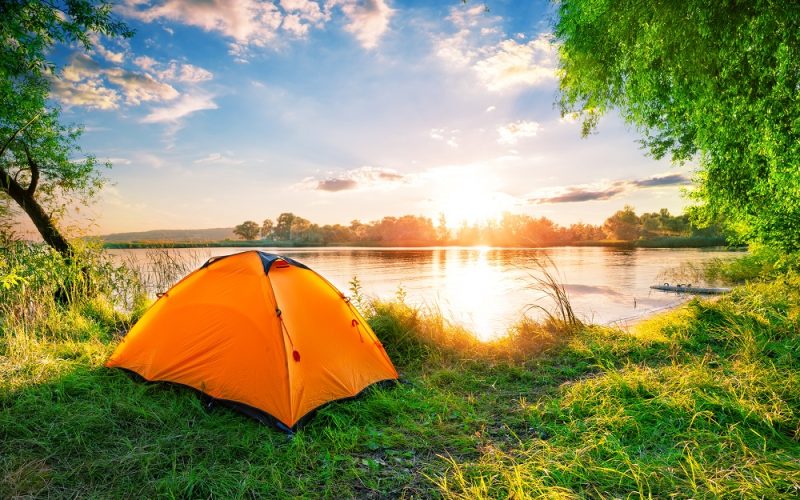
Camping is a refreshing way to connect with nature, but it’s important to do so responsibly. By adopting eco-friendly practices, we can protect natural spaces and leave them as beautiful as we found them for future generations to enjoy.
The “Leave No Trace” principle encourages responsible enjoyment of nature. It includes practices like planning ahead, reducing waste, respecting wildlife, and preserving natural resources.
The goal is simple — leave the environment as undisturbed as possible. This includes packing out all trash, camping away from water sources, and using eco-friendly gear.
1. Plan an Eco-Friendly Camping Trip
An eco-friendly camping trip starts with good planning. Choose campsites and gear that support sustainability. Look for campgrounds with conservation policies and follow Leave No Trace guidelines. Plan meals, gear, and activities with the environment in mind.
2. Choose Sustainable Camping Gear
The right gear makes all the difference. Select items made from recycled, reusable, or biodegradable materials. Here are some smart choices:
 Biodegradable tent stakes: These decompose naturally, unlike traditional metal stakes.
- Solar lanterns: Eliminate the need for batteries by using solar-powered lights.
- Reusable containers and bamboo utensils: Replace disposable plastics with long-lasting, eco-friendly alternatives.
Durable, multi-use gear reduces waste and saves money over time.
3. Opt for Low-Impact Transportation
How you get to your campsite matters. Reduce your carbon footprint by:
- Carpooling, public transit, or biking: These options reduce emissions and allow you to enjoy scenic views.
- Maintaining your vehicle: Proper tire pressure improves fuel efficiency and reduces emissions.
These choices make your trip eco-friendlier from start to finish.
4. Pack Smart with Eco-Friendly Strategies
Reduce waste before you even leave home. Pack items that are reusable, multi-use, and compact. Here’s how:
- Reusable dishes: Bamboo or stainless steel plates and cups are sturdy and waste-free.
- Portable water filter: Skip bottled water by bringing a water filter.
- Smart waste management: Pack trash bags and collect all waste, including biodegradable items like food scraps.
By packing wisely, you reduce waste and simplify your trip.
5. Conserve Water While Camping
Water is a precious resource in the wild. Here’s how to use it wisely:
- Travel water filters: Eliminate plastic bottle use by filtering your own water.
- Basin washing: Wash dishes using a small basin instead of running water.
- Campsite location: Camp at least 200 feet away from water sources to prevent contamination.
These simple practices protect water sources and ensure clean water is available for future campers.
6. Use Energy Wisely
Energy-efficient camping is easier than you think. Here’s how to reduce your footprint:
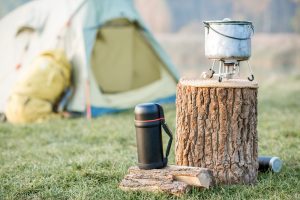 Use camping stoves: They’re more efficient than open campfires. Use renewable fuel options like wood pellets.
- Minimize campfires: If you build a fire, keep it small and short. This conserves firewood and leaves the environment intact.
Energy efficiency doesn’t just help the planet — it also makes for a more peaceful camping experience.
7. Eco-Friendly Cooking Options
Sustainable cooking doesn’t require sacrificing good meals. Here’s how to cook with care:
- Portable stoves: Use stoves that run on renewable fuels.
- Pre-prepared meals: Reduce packaging by preparing meals at home.
- Reusable food storage: Store meals in reusable containers rather than single-use plastic.
With these simple choices, you can enjoy delicious meals in nature without creating unnecessary waste.
8. Invest in Reusable Camping Supplies
Forget single-use items — go reusable. Reusable gear lasts for years and saves money. Consider these essentials:
- Plates, cups, and utensils: Bamboo, stainless steel, or other reusable materials are best.
- Reusable trash bags: Pack trash bags for your waste and any litter you find.
- Durable camping gear: Invest in high-quality items that won’t need to be replaced often.
Reusable gear not only reduces waste but also makes cleanup easier.
9. Practice Responsible Waste Management
Proper waste management is crucial to protect the wilderness. Follow these best practices:
- Pack out all waste: Carry trash bags to pack out everything you bring in, including biodegradable items.
- Use biodegradable soaps: Avoid harmful chemicals by choosing natural, biodegradable cleaning products.
- Reduce waste at the source: Buy food in bulk, use reusable containers, and avoid excess packaging.
- Avoid single-use items: Disposable plates and utensils create unnecessary waste, so opt for reusable alternatives.
Every little step counts. Waste management keeps campgrounds clean for everyone to enjoy.
10. Respect Wildlife and Natural Habitats
Nature is home to wildlife, and every camper should treat it with respect. Here’s how:
- Watch from a distance: Observe animals from afar without feeding them.
- Store food properly: Food attracts wildlife, so store it securely to avoid encounters.
- Stick to trails: Walking off-trail damages plants and fragile ecosystems.
Respecting wildlife keeps animals safe and ensures their habitats remain undisturbed.
11. Clean Up and Restore Campsites
Once your camping adventure is over, it’s essential to leave the site as clean as (or cleaner than) you found it. Take a few minutes to restore the area.
 Clean up and pack out waste: Remove all trash, including food scraps and packaging.
- Use biodegradable soap: Wash your dishes at least 200 feet from water sources.
- Double-check the area: Make sure no gear, tent stakes, or small tools are left behind.
Leaving the site better than you found it shows respect for nature and sets an example for future campers.
12. Reflect on Your Environmental Impact
After the trip, think about how your actions affected the environment. Did you conserve water? Use less plastic? These reflections help you become a better camper each time you head outdoors. Small changes add up, and your choices matter.
Camping With Care
Camping is a chance to enjoy nature while protecting it at the same time. By using reusable gear, conserving water, and packing smart, you can leave the environment undisturbed. Every small action you take — from the gear you bring to the waste you pack out — helps preserve natural beauty for generations to come.
So, as you plan your next camping trip, remember that your actions make a difference. Every thoughtful step you take creates a cleaner, greener world.
Stay connected with Nature Quest Journal for more eco-friendly tips and inspiration to make your outdoor adventures greener and more enjoyable.
