

The Health Benefits of Regular Camping Trips
Regular camping trips offer a refreshing break from everyday life while improving physical, mental, and social well-being. Time spent outdoors reduces stress, improves mood, and supports better sleep by helping your body adjust to natural light.
Activities like hiking, fishing, and setting up camp increase movement, strengthening muscles and improving heart health. Fresh air and time in nature also help clear the mind, leaving you feeling more refreshed and focused.
Beyond the physical benefits, camping brings people closer. Whether you’re spending time alone, with family, or in a group, it helps build meaningful connections. Without the distractions of technology and city life, you engage more with those around you, creating lasting memories.
Mental Health Benefits of Camping
Camping is a natural way to relieve stress, improve focus, and support emotional well-being. With over 93.8 million North American households identifying as campers, it’s clear that outdoor experiences have a strong appeal.
Natural Stress Relief
 Spending time outdoors is a simple way to reduce stress. Studies show that just 20 minutes in nature lowers cortisol levels, the hormone linked to stress. A camping trip extends this time, surrounding you with fresh air, natural sounds, and open space, which helps calm the mind.
The simplicity of outdoor living—cooking over a fire, taking deep breaths of fresh air, and listening to birds—helps ease tension and clear your thoughts.
Lifting Mood and Supporting Emotional Well-Being
Being in nature improves mood and reduces anxiety. Studies show that time outside lowers feelings of stress and sadness. Simple activities like watching a sunrise, sitting by a campfire, or stargazing promote relaxation. The natural sounds and sights of the outdoors help bring a sense of balance and peace.
Improving Focus and Mental Clarity
Spending too much time in front of screens and surrounded by city noise can make it harder to concentrate. Camping offers a break from these distractions, helping your mind reset.
Research shows that time outdoors improves memory, problem-solving skills, and creativity. Sleeping under natural light also helps regulate melatonin levels, making it easier to get better rest and think more clearly.
Encouraging Rest and Relaxation
Camping helps slow down the pace of life. Without the rush of work, notifications, and daily stress, you have more time to relax. The sounds of wind, water, and wildlife have a calming effect, helping the body unwind. Since more than half of people live in urban areas, camping offers a chance to get away from noise and stress, making it easier to recharge.
Building Mental Strength
Camping presents small challenges, such as setting up a tent in windy weather or making a fire from scratch. These moments help build patience and problem-solving skills. Learning to adapt to outdoor conditions can make it easier to handle stress in everyday life.
Physical Health Benefits of Camping
Camping naturally promotes a healthier lifestyle by increasing physical activity and time outdoors. Walking, lifting, and stretching during outdoor activities improve movement, flexibility, and strength.
1. Better Sleep and Resetting Natural Rhythms
 Spending time away from artificial lights and screens helps reset your sleep cycle. Exposure to sunlight during the day and darkness at night helps your body produce melatonin naturally. Many campers find that even one night outdoors leads to deeper and more restful sleep.
2. Increasing Movement and Activity
Camping encourages physical activity in a way that feels natural. Walking through trails, swimming, kayaking, or even setting up a tent engages your muscles without feeling like structured exercise. These activities support heart health, keep metabolism active, and improve overall strength.
3. Supporting the Immune System
Spending time outdoors strengthens the immune system. Fresh air reduces exposure to indoor pollutants, and outdoor movement improves circulation, helping the body fight off illness. Sunlight also plays a role by helping the body create vitamin D, which supports immune function.
4. Getting Enough Vitamin D
Vitamin D is necessary for strong bones and a healthy immune system, but many people don’t get enough of it due to spending most of their time indoors. Just 10–30 minutes of sunlight a day can help your body produce the vitamin D it needs to stay strong and healthy.
5. Encouraging a Healthier Way of Living
Camping often involves preparing simple, whole foods instead of eating processed meals. Cooking over a fire or camping stove encourages more awareness of what you eat. Children who camp regularly also develop a greater appreciation for outdoor activities, building healthy habits that last a lifetime.
Social and Emotional Benefits of Camping
Camping brings people together and strengthens relationships by encouraging teamwork and trust. Without the distractions of technology, conversations flow more naturally, and connections become deeper.
Strengthening Relationships Through Shared Experiences
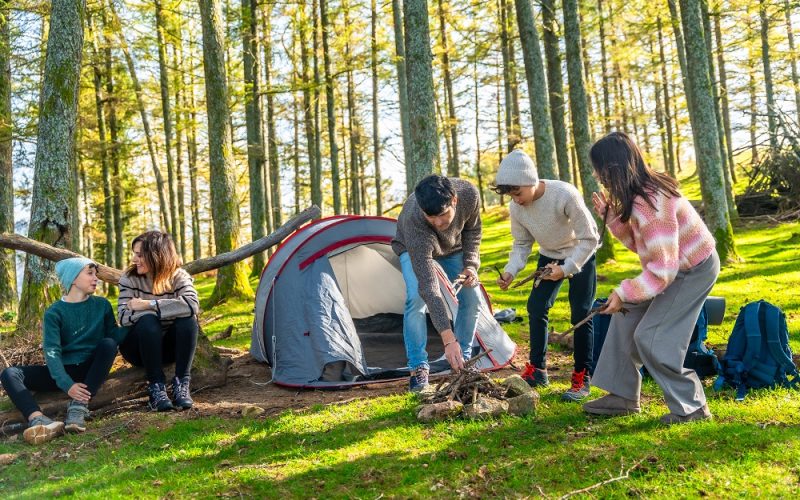
Camping allows families and friends to work together in a way that daily life doesn’t always provide. Setting up a tent, gathering firewood, and cooking meals require teamwork, which strengthens bonds. Teaching a child to build a fire or navigate a hiking trail also builds confidence and leaves lasting memories.
Building Cooperation and Problem-Solving Skills
Coordinating a camping trip involves teamwork, from planning meals to setting up a safe and comfortable campsite. Working together on these tasks teaches patience and cooperation, making it easier to communicate and solve problems. Groups that spend time outdoors tend to work together more effectively, which carries over into everyday life.
Encouraging Meaningful Conversations
Without the constant interruptions of phones, TV, and other digital distractions, camping creates space for deeper conversations. Sitting around a campfire, sharing stories, and reflecting on the day’s experiences strengthen relationships. These moments allow for better understanding and appreciation of the people around you.
Why Regular Camping Trips Matter
Camping isn’t just a way to take a break from daily life—it helps improve overall well-being. Regular trips outdoors provide lasting benefits for mental, physical, and emotional health.
The Value of Unplugging from Technology

Studies show that 90% of Americans feel overwhelmed by technology. Camping offers a much-needed break, helping reduce mental fatigue. Instead of constantly checking notifications, you can enjoy meaningful moments—watching the sunrise, listening to birds, or simply being present in nature.
Strengthening Connections with Nature
Spending time outdoors encourages mindfulness. Whether it’s walking through the woods, skipping rocks on a lake, or gazing at the stars, nature brings a sense of calm. Being outside regularly helps improve mental well-being and deepens appreciation for the world around us.
Building Confidence and Life Skills
Camping teaches valuable life skills, especially for children and teens. Learning how to cook over a fire, set up a tent, or read a map encourages independence. These skills not only make outdoor experiences more enjoyable but also build confidence that carries into everyday life.
Learn More About Camping With Nature Quest Journal
Camping offers more than just an escape from routine—it helps improve focus, supports physical health, and strengthens relationships. Spending time outdoors encourages mindfulness and allows you to slow down, enjoy simple pleasures, and feel more connected to yourself and those around you.
Plan your next outdoor adventure and experience these benefits firsthand. Get helpful tips and insights on outdoor living from Nature Quest Journal. Stay informed and make the most of your time in nature.
