

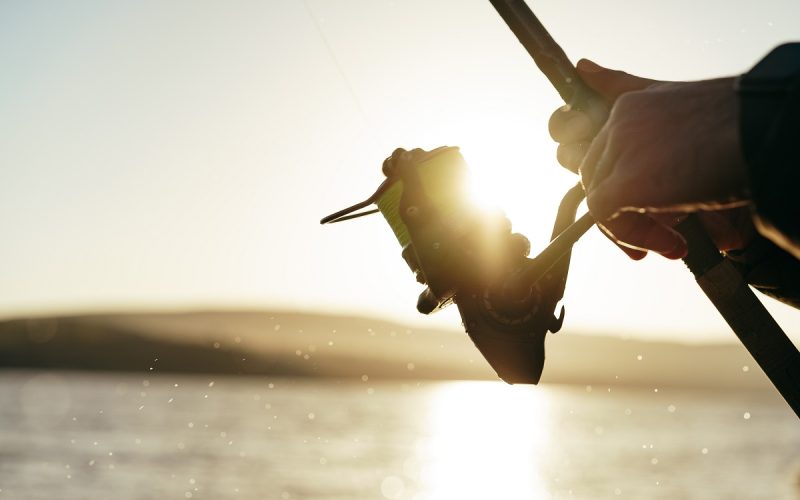
Fishing remains one of the world’s most popular recreational and commercial activities, drawing in enthusiasts and professionals alike who share a passion for marine life, sport, and sustainable practices.
As environmental concerns grow, changes in regulations, technological advances, and conservation efforts are shaping the fishing industry. This article covers recent updates in fishing news, conservation strategies, and new tools supporting sustainable fishing.
Sustainable Fishing Initiatives
Sustainable fishing practices are central to preserving ocean biodiversity. Governments, non-profits, and industry leaders are working together to prevent overfishing and maintain healthy marine populations.
 Catch Quotas and Size Limits: Many regions set fish size and catch limits, allowing younger fish to grow and reproduce. For instance, new U.S. regulations reduce the recreational catch limit for Atlantic Bluefin tuna to protect its population and promote sustainability.
- Seasonal Restrictions: Certain fishing seasons are limited to protect species during their breeding times. In Florida, closed seasons for snapper and grouper allow these fish to replenish naturally.
- Marine Protected Areas (MPAs): MPAs are zones where fishing is restricted or prohibited to protect endangered species and sensitive habitats. The California Marine Life Protection Act expanded MPAs along the coast, helping create safe zones for marine life to thrive. Similar zones worldwide aim to safeguard ecosystems and support biodiversity.
Technological Advances Supporting Sustainable Fishing
Technology is playing a growing role in making fishing practices more sustainable. New tools and innovations are helping to monitor fishing activities, reduce bycatch (accidental capture of non-target species), and improve the traceability of seafood products.
- Electronic Monitoring Systems: Cameras and sensors on fishing boats track catches and help prevent overfishing. This technology is widely used in countries like New Zealand, where electronic monitoring verifies sustainable practices.
- Bycatch Reduction Devices (BRDs): BRDs on fishing nets allow unwanted or undersized fish to escape while keeping the target species. Fleets in the Gulf of Mexico use BRDs to protect sea turtles and juvenile fish, which helps reduce waste and supports conservation goals.
- Seafood Traceability Software: Traceability software verifies where seafood comes from, ensuring sustainable sourcing. Consumers and retailers can check a product’s origin and certification status. Programs like the Global Dialogue on Seafood Traceability (GDST) promote transparency and accountability in the fishing industry.
Issues Facing Recreational Fishers
Recreational fishing remains a popular pastime but faces challenges due to regulations, invasive species, and limited access to fishing spots.
 Regulation Changes: New fishing rules often set limits on fish size, quantity, or season to promote sustainability. For example, stricter striped bass regulations along the U.S. East Coast aim to prevent overfishing, although some anglers feel these rules limit their enjoyment.
- Invasive Species: Invasive species like zebra mussels and Asian carp disrupt native ecosystems by competing for resources. Agencies and recreational anglers are working together to manage these species through removal efforts and public awareness campaigns.
- Access to Fishing Spots: Public access to fishing spots is shrinking, especially in densely populated areas where development limits shoreline access. State agencies and fishing groups are working to maintain public access to lakes, rivers, and coastlines, preserving the ability for anglers to enjoy their hobby.
Notable Conservation Efforts and Success Stories
Conservation efforts worldwide have made a measurable difference in protecting fish populations and their habitats. Here are some recent success stories that highlight the positive impact of these initiatives, demonstrating how sustainable practices can lead to lasting change.
- Restoration of Atlantic Cod: Atlantic cod populations, once severely depleted, are showing signs of recovery due to conservation efforts like reduced quotas and breeding programs. New regulations support the ongoing recovery, with conservationists optimistic about the cod’s future.
- Salmon Habitat Restoration in the Pacific Northwest: Salmon populations in the Pacific Northwest support ecosystems and local economies. Conservation groups are working with state agencies to remove outdated dams, restore natural water flow, and protect salmon habitats. The recent removal of dams on California’s Klamath River is one of the largest habitat restoration projects in U.S. history, showing early positive effects on salmon populations.
- International Collaboration for Tuna Conservation: Bluefin tuna is highly sought after in commercial fishing, making it vulnerable to overfishing. The International Commission for the Conservation of Atlantic Tunas (ICCAT) introduced stricter catch limits, which have helped stabilize tuna populations. This collaboration highlights the importance of international efforts in effective conservation.
The Role of Anglers in Conservation
Anglers play a central role in supporting conservation by adopting sustainable practices. Many actively participate in catch-and-release fishing, which helps preserve fish populations for future generations. Additionally, programs like the Citizen Science Fishing Initiative encourage anglers to report their catches and observations, contributing valuable data for conservation research.
Best practices, such as using barbless hooks and careful handling, are increasingly emphasized within the recreational fishing community. Organizations like Keep Fish Wet promote methods to reduce fish stress and injury during catch-and-release fishing, supporting healthier ecosystems.
Future Directions in Fishing and Conservation
 The fishing industry is rapidly adapting to environmental challenges and growing public awareness. Many countries are building partnerships between government agencies, conservation groups, and local communities to enhance sustainable practices and protect marine life. With a focus on innovation and responsible fishing, the future holds promise for resilient ecosystems and sustainable fishing opportunities.
For fishing enthusiasts, these trends highlight a shared responsibility in conservation. By following regulations, practicing sustainability, and supporting efforts to protect marine environments, anglers help preserve the future of fishing.
Stay Updated with Nature Quest Journal
At Nature Quest Journal, we’re committed to bringing you the latest news, insights, and developments in the fishing world. Whether you’re an angler, conservationist, or simply curious about the natural world, we invite you to explore more on our site.
Keep up with the latest trends, get inspired, and join a community dedicated to sustainable fishing practices and environmental stewardship. Visit Nature Quest Journal to stay connected with the outdoors and all it has to offer!
